









What is a Hurricane Emergency Plan?
- Determine whether your home or business is located in a flood or evacuation zone and review local evacuation routes.
- Consider whether you will shelter in place at your home or evacuate, as well as where you would go and whether you need a separate plan for pets.
- The Division of Emergency Management recommends that drivers keep their gas tanks at least half full throughout hurricane season. Electric vehicle (EV) owners should aim to maintain a charge between 50% and 80% at all times.
- Reach out to your local emergency management office if you or anyone you know has special medical needs, in case of evacuations. Apply for our Medically Essential Service designation if someone in your home relies on electric-powered equipment.
 What should a Hurricane Emergency Kit contain?
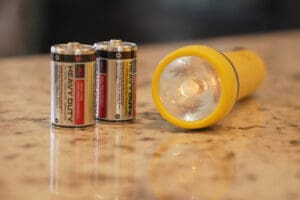
- Build an emergency kit with non-perishable food, bottled water, flashlights, batteries, medications, and a first-aid kit.
- Determine your backup power source. Don’t forget phone chargers, power banks, and a waterproof container for important documents.
- Don’t forget information such as insurance policies, health cards, birth certificates, Social Security cards, a list of emergency contacts, and a recent copy of your FPL bill.
How to prepare your home for a hurricane?
- Move patio furniture and outdoor items indoors, fasten doors and windows, and cover valuables and furniture with plastic and move away from windows.
- Turn off and unplug unnecessary electronics, including pool equipment, and set your refrigerator and freezer to their coldest settings to keep food fresh longer during an outage.
- DO NOT attempt to trim trees or vegetation near overhead power lines yourself – only hire qualified, line-clearing professionals to trim trees and other vegetation near power lines. Visit com/trees for more information on our tree trimming policies.
- Look up and note the location of power lines before you begin working on a ladder. Be sure that any ladders or scaffolds are far enough away so that you – and the ends of the tools you’re using – don’t come within 10 feet of power lines.
 What are important safety steps after a hurricane?
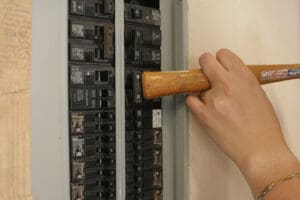
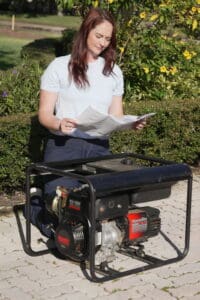
- If you’re planning to use a portable generator, read and follow all the manufacturer’s instructions. Be sure to set it up outside – not in your home or garage – and connect appliances directly to it. Do not wire your generator directly to your home’s breaker or fuse box, as the power you generate may flow back into power lines and cause injuries.
- Stay far away from and do not touch any downed power lines or flooded and debris-laden areas that may be hiding downed power lines. If you see damaged electrical equipment, please call
 How can Floridians stay informed after a storm?
- Bookmark FPL.com and save 1-800-4-OUTAGE (1-800-468-8243) to your cell phone to report and check the status of your restoration.
- Stay informed by following your local news and FPL’s social media pages for updates on storm conditions and heed warnings.
FPL works year-round to be ready for severe weather and urges customers to prepare by making safety a priority this storm season. For more tips, visit FPL.com/storm.